
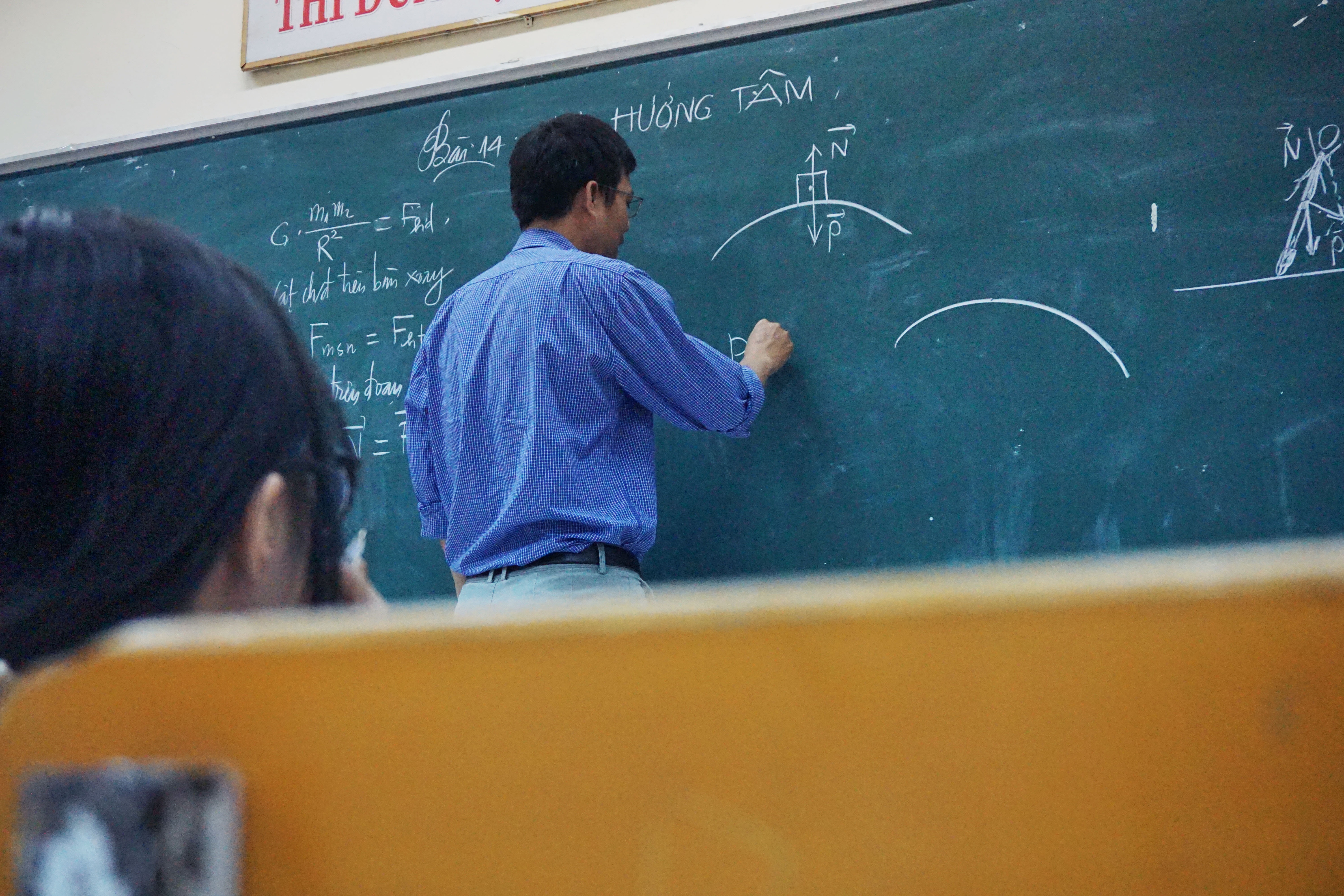
Photo by Tra Nguyen on Unsplash
A lot has been said and written recently about teachers’ unpaid overtime. It turns out that the UK is not alone in struggling with the undeniable crisis in education.
1. The truth about inset days
Most schools hold administrative days under the mysterious name of Inset Days.
“They have training”, some say with irony.
Yes, we do. From 9am till 12am there is usually a lecture from anything on behaviour, new marking policies, new planning formats to new requirements for SATs.
Around 12, there is lunch – most staff run to grab a bite (if you are lucky and the school provides lunch you get to actually sit with your colleagues and ask questions about … the holidays? New requirements, more like, while still trying to process the abundance of information that had been crammed into our heads since that morning!)
After lunch another lecture from an SLT member or someone external: it could be one of the subjects e.g. a new way of teaching reading or new guidelines on scientific experiments.
As the day progresses you collect lots of papers. Timetables, rotas, spreadsheets etc.
At 3 o’clock when your brain is bursting with too much information and you think you can’t take any more, the Headteacher reminds everybody to make sure that the classrooms are ready for pupils the following day.
So after 3 o’clock, teachers, along with those Teaching Assistants who work after 3.30pm, tidy after the holidays deep clean, back all the displays, organize a book corner, label all the books, trays, coat pegs, prepare all the lists and folders and then plan their first lessons and prepare power points and resources.
2. Every Friday is a ‘Library’day
Friday. 3.30pm. All the kids have gone home. Actually not all, there are after school clubs, homework clubs etc.
Teachers have books to mark (English and maths only that’s roughly 60 books, and if you have science or history on Friday… you do the maths), plans to finish, resources to prepare, last-minute assemblies to prepare, checking all the emails (and respond to them) from the SLT with all the organizational messages, catching up on all the tasks from the week and setting up for Monday morning.
By 6-6.30 pm, the cleaners are coming in and you have to leave. Some schools have a lock-out policy by certain time to release the maintenance staff to go home at a reasonable time. Whatever is not done, goes home with you. By 7pm you want to go home, be with your family.
3. Half-term holidays
The Saturday of the half-term week. I make a list. All the things I am going to do. Meet up with friends for lunch, take the kids swimming, go to the cinema, have a facial (yeah right!), go shopping (for myself!), go to the hairdresser, do some planning etc.
On Sunday I relax and try not to think about school (and sometimes failing miserably).
Monday – I receive a text from a colleague. “How is your half term going? Have you done any planning?” ”Planning. Planning!!! What planning???”
Then I check my school inbox and find an email from our phase leader informing us that all the mid-term planning should have been on the server by last Friday. I don’t have access from home to the server anymore because of GDPR.
Ok, I think, I’ll go for an hour, do what I have to do and go back to ticking positions off on my list.
As it happens, it takes longer than an hour and I have to take the kids with me because there is no school (obviously!).
When I do the planning, I discover another email about the upcoming learning environment inspection and realise my class displays need an update. So, after the planning, I start on the displays – some need a different backing colour so I go in search of backing paper only to find out that there is no more because there is no more budget. If I want to change my displays (which is required) I need to buy the paper myself.
By then it is 4 pm and the school is closing.
Tuesday
I go shopping for backing paper, gather all sorts of useful items from home to set up the new book corner since the next term topic changes, the book corner should, too. Then, I head over to school to work on the displays. And while I’m at it, I may as well laminate all the items that need to go on display. But oops! There is no laminating pouches because there is no budget. So on….
Wednesday…
I go shopping for laminating pouches. And while I am there I see some cute containers I could use for my class, bright coloured sticky labels and of course … STICKERS!!! Glittery, smelly, holographic – you name it.
Etc. Etc.
This scenario may be a little exaggerated but I am sure that most teachers will relate to this.
This short snapshot doesn’t even include after school enrichment clubs, school fairs, parents’ evenings (Yes! Evenings!), twilights, CPD training sessions and all other sorts of ‘extras’ eating into teachers’ time.
According to Global Teacher Status Index 2018 (GTSI 2018), UK teachers ranked 4th in the world as working the longest hours per week (on average 50.9 hours a week).
This data is heavily underestimated by the public.
A standards teacher’s contract states 26.5 hours/week!
Something is definitely happening to the educational system, and not just in the UK.
Let’s just take a look at the last two weeks’ events in Poland. The biggest teachers’ strike in 30 years!
Education at a complete standstill. Parents’ despair. Headteachers’ hell over year 6 exams. Students’ confusion. And the authorities’ “chilled-out” attitude…
Where are we heading with all this mess?
What will happen to our schools, teachers and children?
Aren’t there any wise leaders out there who could sort this mess out?
Let this old Chinese proverb be a reflection for all of us:
“If you are planning for a year, sow rice; if you are planning for a decade, plant trees; if you are planning for a lifetime, educate people.”

